
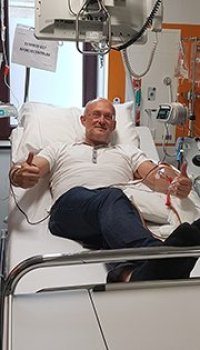
Peter
Het bezorgt me een apart gevoel om te weten dat ik écht iemands leven aan het redden ben en dat die persoon binnen de 48 uur mijn stamcellen getransplanteerd krijgt.
Lees meer
Heb je al gehoord over stamceldonatie? Heel wat ernstig zieke mensen (zoals leukemiepatiënten) moeten stamcellen krijgen om te overleven. Ze zijn dringend op zoek naar een stamceldonor. Daarvoor zijn wij er. Daarvoor is er stamceldonor.be van het Belgisch beenmergregister. Want hier kan jij zo iemands leven redden. Heel eenvoudig: door je te registreren als donor.
Hoe kan je je kandidaat stellen? En wat als je wordt opgeroepen? Hier lees je alles over donor worden. Overtuigd? Stel je kandidaat.
Het heeft weinig zin om via een dringende oproep (op sociale media bvb.) een stamceldonor te zoeken. De kans om zo een gepaste donor te vinden is enorm veel kleiner dan via volgende stappen.
Het zal je misschien verbazen, maar de eerste donor die in aanmerking komt, is de patiënt zelf. Op een moment dat de ziekte voldoende is teruggedrongen, kunnen eigen stamcellen 'geoogst' worden en ingevroren, om ze bijvoorbeeld na zware chemotherapie terug te geven aan de patiënt.
Wanneer je eigen stamcellen niet meer bruikbaar zijn, kijken de artsen of er stamcellen van directe familieleden (zoals broer, zus, moeder, vader, dochter, zoon, tante of oom) gebruikt kunnen worden. De kans op een match met directe familieleden is namelijk aanzienlijk groot.
Bestaat er geen match met de stamcellen van je directe familie? Of heb je geen directe familie meer? Dan zoeken we een geschikte donor tussen de Belgen die zich hebben opgegeven als stamceldonor. Vinden we geen Belgische match? Dan staan stamceldonoren van over de hele wereld klaar om jou te helpen, wat miljoenen kansen biedt op het vinden van een geschikte donor.
Helaas zijn er momenteel te weinig donoren met Turkse, Noord-Afrikaanse, Centraal-Afrikaanse of gemengde roots. Daarom kunnen 1 op 3 patiënten met die roots niet geholpen worden. Help jij hen?
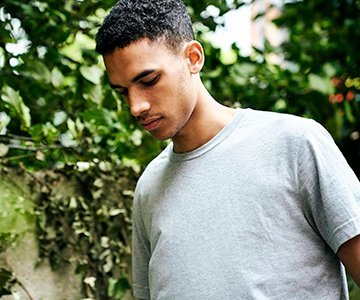
We vooral nog op zoek zijn naar jonge mannen met buitenlandse of gemengde roots?

Vrouwen tijdens hun zwangerschap antistoffen ontwikkelen tegenover hun partner (en dus ook tegen ontvangers van hun stamcellen)?

Mannen tussen de 18 en 40 jaar de meest geschikte donoren zijn?